
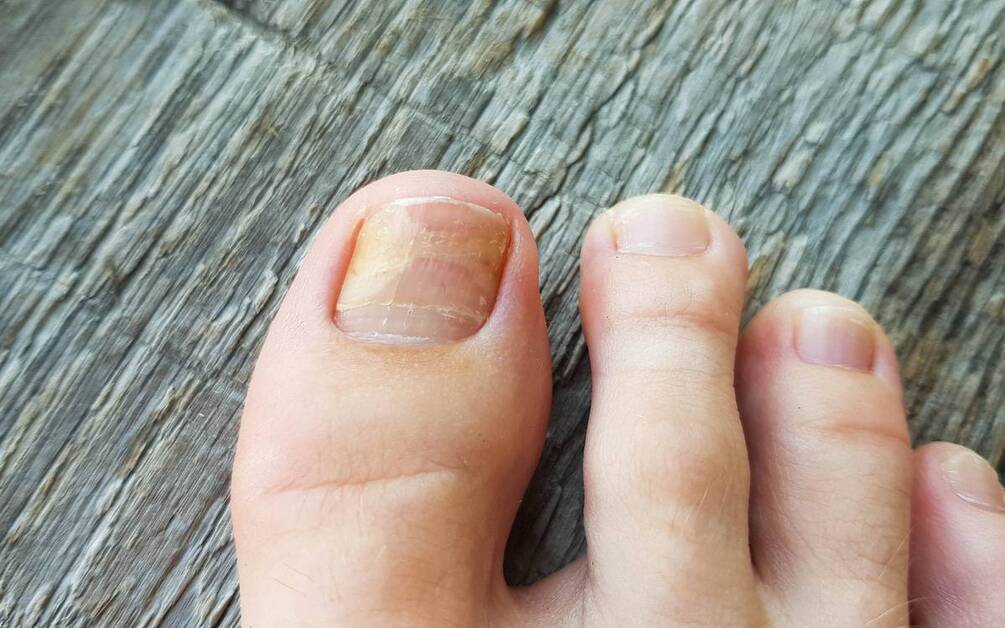
Understanding Fungal Toenails
If you’ve noticed your toenails becoming thick, discolored, or brittle, you’re not alone. Toenail fungus affects millions of people, especially those who wear tight shoes or spend long hours in damp environments.
It starts when fungal spores enter small cracks in the nail or surrounding skin. Once inside, they grow slowly, feeding on keratin and causing the nail to appear yellowish, rough, or separated from the nail bed.
Because toenails grow slowly, treating fungus takes time and patience. But with consistent care, it can be reversed.
Why Harsh Treatments Often Fail
Many over the counter antifungal creams contain alcohol or synthetic acids that can irritate the skin and dry out the nail bed. While they may kill surface fungus, they don’t always penetrate deep enough to reach the root of the infection.
Natural alternatives, on the other hand, focus on creating an environment where fungus can’t thrive. They do this by restoring balance to the skin’s natural barrier, reducing moisture buildup, and supporting healthy nail growth over time.
The Natural Approach
1. Keep the Area Clean and Dry
Fungus thrives in warmth and moisture. Wash your feet daily with mild soap and dry them completely, especially between the toes. Change socks often, and avoid tight shoes that trap humidity.
2. Trim and File Carefully
Use sanitized clippers and gently file down thickened areas. This helps treatments absorb better. Never pick or tear the nail, as it can make the infection worse.
3. Apply Natural Antifungal Care Consistently
Ingredients like tea tree oil, eucalyptus, and other plant based extracts have natural antifungal and soothing properties. That’s why Lanlay Magic Oil has become a popular choice for many people seeking a gentler, more sustainable option.
A few drops massaged daily onto clean, dry nails helps soften thickened areas, improve nail flexibility, and calm surrounding redness or irritation. Its lightweight, botanical blend penetrates easily without leaving a sticky or greasy feel.
Consistency is key. Most people notice visible improvement within several weeks of daily application, but full renewal can take a few months as new, healthy nail grows in.
Extra Tips for Faster Results
- Disinfect nail tools after each use.
- Wear breathable socks made from cotton or bamboo.
- Go barefoot at home when possible to let your feet air out.
- Keep toenails short to prevent fungal spread.
- Support recovery from the inside out by drinking plenty of water and maintaining good circulation.
When to See a Professional
If the infection spreads, becomes painful, or affects multiple nails, it’s best to consult a healthcare provider or podiatrist. In some cases, oral antifungal medications may be recommended for deep or long term infections.
A Gentle, Natural Way to Heal
Fungal toenails can be stubborn, but they’re not permanent. With steady care, proper hygiene, and the right natural support, your nails can gradually regain their strength and clarity.
Lanlay’s Magic Oil is designed to complement that process. It provides daily nourishment while gently discouraging fungal growth. No harsh chemicals, no strong odors. Just clean, natural restoration, one drop at a time.